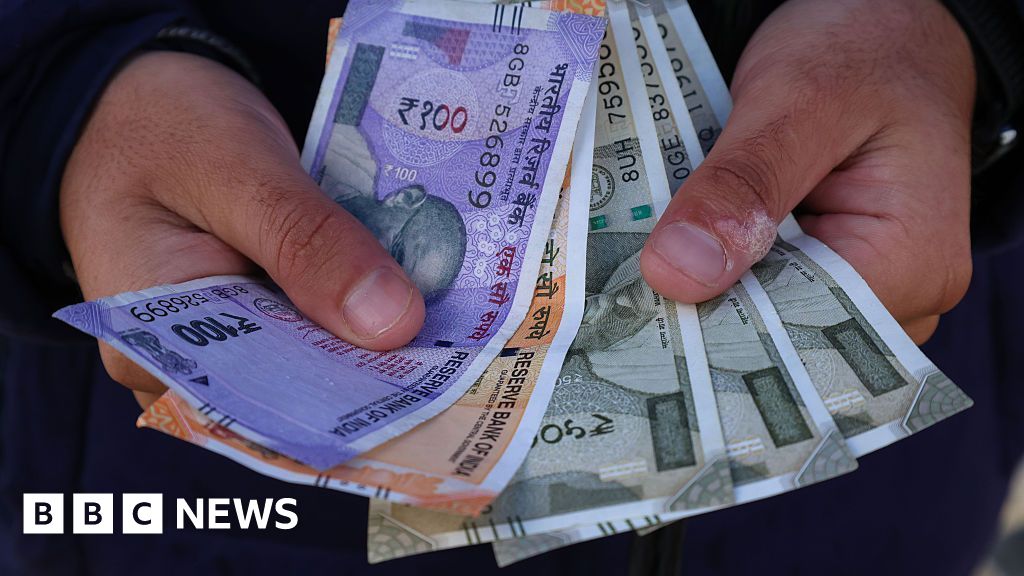
India is currently witnessing a strange economic contradiction known as the cash paradox. While the nation has built one of the most successful digital payment ecosystems in the world, with UPI transactions surging toward a billion per day, the amount of physical currency in circulation is actually climbing. According to the Reserve Bank of India, there are now 176 billion banknotes circulating throughout the economy. Each year, the central bank prints nearly 30 billion new notes while retiring roughly 21 billion, maintaining a massive logistical operation even as scanning and swiping become second nature for millions of citizens.
This trend puzzles many observers because digital apps are rapidly replacing cash for daily chores and small purchases. However, economists suggest that digital payments only address one function of money: acting as a medium of exchange. Cash continues to serve two other critical roles as a store of value and a hedge against disaster. Many Indians continue to hoard paper money for emergencies or to purchase assets like gold outside the formal banking system. There is also a psychological element at play, where users maintain cash reserves as a safety net in case digital infrastructure fails during a critical moment.
Beyond personal savings and security, a significant portion of this currency growth is driven by the invisible side of the economy. Unrecorded transactions remain common in high-value sectors like real estate, where buyers and sellers often settle differences in cash to avoid taxes or navigate gaps between official government rates and actual market prices. Despite the dramatic demonetization effort in 2016 which wiped out a huge percentage of available cash overnight, these underground flows have proven remarkably resilient and continue to prop up demand for physical notes.
Ultimately, India’s experience mirrors patterns seen globally since the 2008 financial crisis, though on a far more dramatic scale. Even in developed economies using the dollar or euro, total currency in circulation often rises despite falling ATM withdrawals. Whether it is due to international holdings or domestic shadow economies, it appears that frictionless digital payments may remove the pain of spending, but they haven’t yet removed the deep seated trust and necessity that people place in tangible money.